Frequently Asked Questions
Answers to some of the most common questions around fire doors, fire stopping, compartmentation and passive fire protection. If you need further guidance or would like to discuss a specific building or project, our team is always happy to help.
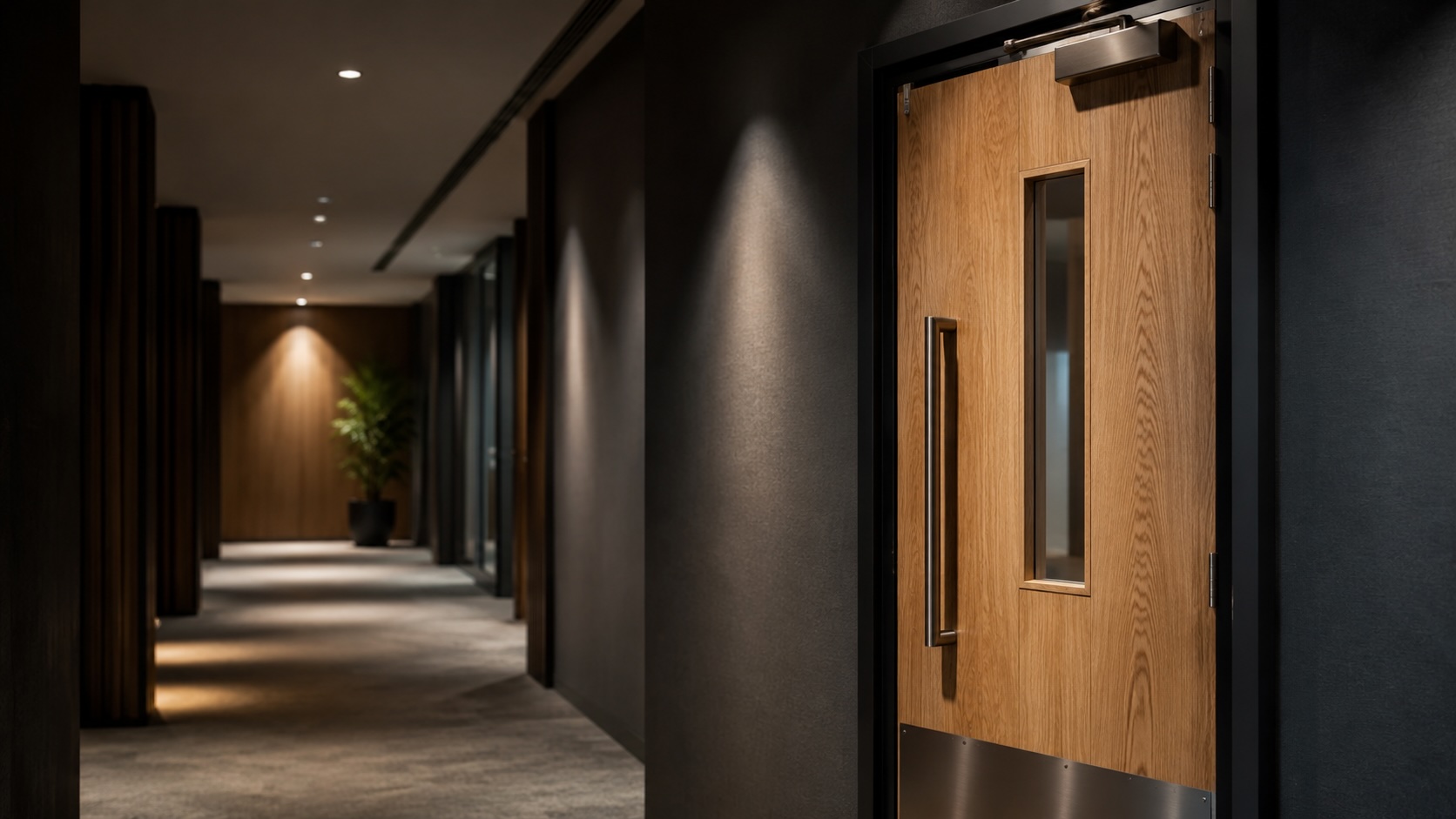
T&M provides professional fire door surveys across the UK for residential, commercial and mixed-use buildings. The team also delivers certified fire door remedial works under the BM Trada Scheme using experienced technicians and approved products.
Clear reporting, practical advice and reliable workmanship set T&M apart. Whether you manage a single building or a large portfolio, support is available at every stage.
A fire door survey is a detailed inspection carried out by trained specialists. Each door is assessed against current standards including structure, gaps, seals, ironmongery, signage and certification.
The survey identifies doors that are compliant, that require repair or must be replaced. A full report is provided using One Trace, an industry recognised software , which can be used as evidence of compliance. At T&M surveys are completed with minimal disruption and clear guidance is given on next steps.
Fire door remedial works cover a wide range of repairs. This may include replacing intumescent seals, adjusting door closers, correcting gaps, repairing frames or upgrading ironmongery. In many cases a door can be repaired rather than replaced which helps control costs. However, remedial works must be carried out by competent professionals using approved materials. T&M specialises in compliant remedial works that meet the new 2026 requirements.
Responsibility falls on the Responsible Person under fire safety law. This is often the building owner, landlord, managing agent or employer.
If you control the premises, you are responsible for ensuring fire doors are safe, inspected and maintained. Relying on tenants or informal checks will no longer be acceptable under the new regulations.
Fire stopping is used to seal openings and gaps within compartment walls and floors, helping reduce the spread of fire and smoke through a building. This can include areas around pipework, cables, ductwork and other building services.
In many cases, yes. Minor damage, worn seals, faulty ironmongery and alignment issues can often be resolved through remedial works and maintenance. Where doors are beyond repair or unsuitable for the opening, replacement may be recommended.
Fire doors should be inspected regularly to help identify wear, damage and installation issues that could affect their performance. The required frequency can vary depending on the type of building, usage levels and fire risk assessment recommendations.
Compartmentation helps contain fire and smoke within specific areas of a building for a period of time. This supports evacuation routes, reduces fire spread and forms an important part of a building’s passive fire protection strategy.